Stress Management: Finding Balance in a Fast-Moving World
We chase titles, timelines, and targets, yet stress doesn't check your designation before it hits. From students to CEOs, the real KPI today isn't productivity—it's peace, which begins with Mind, Body, and Soul.
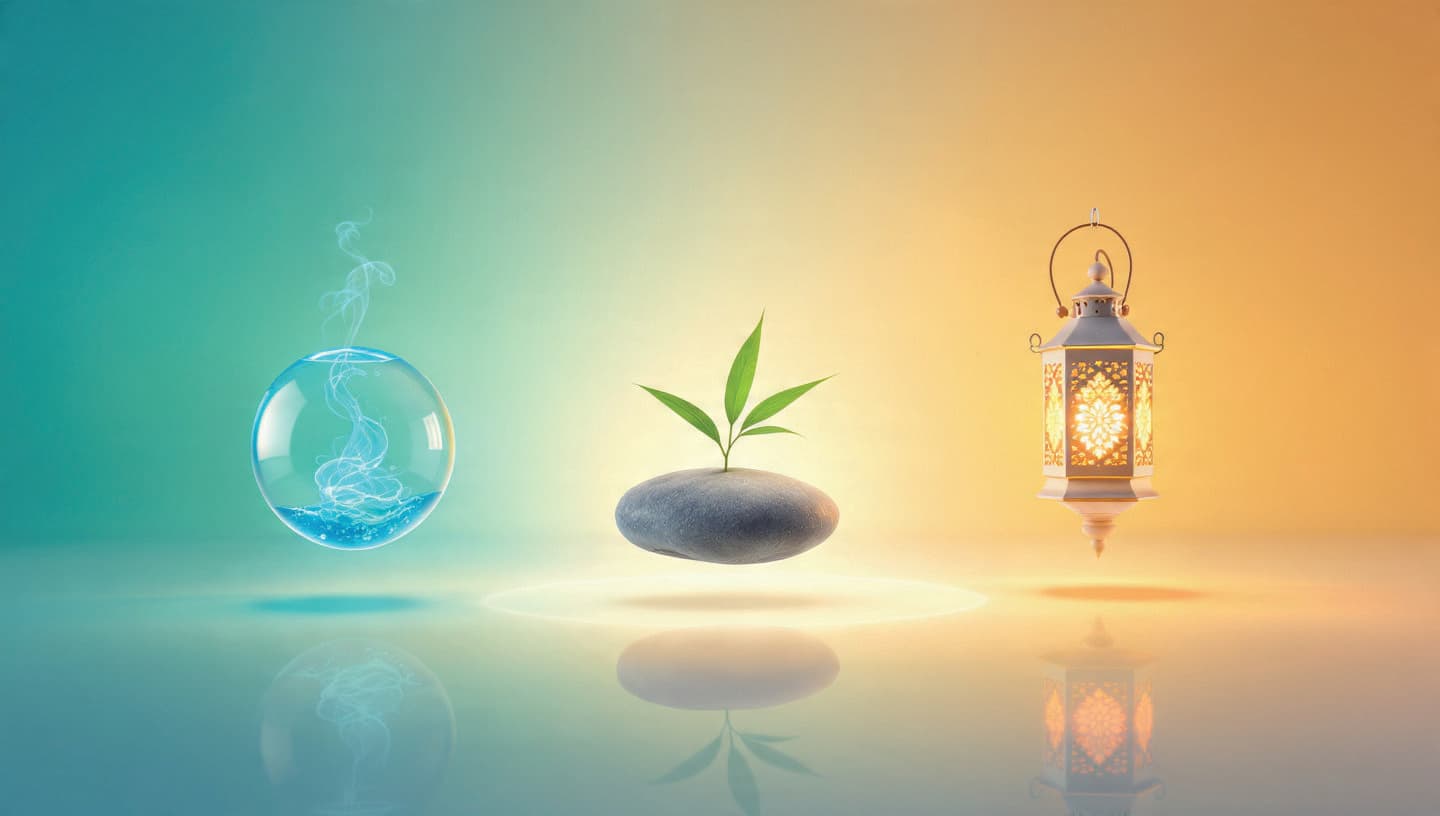
We chase titles, timelines, and targets. Yet stress doesn't check your designation before it hits. From students to CEOs, the real KPI today isn't productivity. It's peace. And peace begins with Mind, Body, and Soul.
The Covid-19 pandemic was not merely a health crisis; it became an emotional and psychological turning point for humanity. While the world fought an invisible enemy, millions silently struggled with stress, fear, uncertainty, and emotional exhaustion. Lockdowns, isolation, and anxiety forced individuals and organizations alike to recognize the importance of mental and emotional well-being.
Amid the disruption, one important truth emerged—true wellness lies in balance.
Today's fast-moving world measures success through speed, status, money, and constant achievement. High-pressure careers, financial insecurity, technological overload, family responsibilities, and the growing culture of burnout have become major causes of stress across generations, including Gen-Z.
Ironically, the pandemic also gave humanity moments of clarity. Cleaner air, stronger family bonds, slower lifestyles, and freedom from unnecessary social pressures reminded people of the simple joys they had long ignored.
Perhaps nature itself became the greatest teacher.
Time spent in fresh air, meaningful conversations with loved ones, silence away from digital distractions, and reconnecting with oneself proved to be powerful stress relievers. The closer human beings remain connected with nature, the more balanced and peaceful their lives become.
The reality is simple—stress touches everyone.
Students fear examinations and career uncertainty. Young professionals worry about jobs and stability. Families struggle with responsibilities and expectations. Entrepreneurs and business leaders constantly chase growth and success. Stress does not discriminate; it is a universal human experience.
Broadly, stress arises from two sources—the known and the unknown. Known challenges can often be handled with planning and discipline. Unknown fears create deeper anxiety because they lie beyond human control.
At the heart of stress management lie three powerful pillars: Mind, Body, and Soul.
The Mind: The Creator and Controller
The mind is both the birthplace and the manager of stress. Thoughts shape emotions, reactions, and ultimately, peace of mind.
One of the most effective remedies for stress is emotional connection—spending meaningful time with family, communicating openly, and practicing unconditional love.
“Beginning the day with gratitude, deep breathing, pranayama, meditation, and morning walks are among the most effective natural ways to reduce stress and strengthen immunity.”
Stress can be understood through the image of a lion trapped inside a cage. The lion represents stress, while the cage symbolizes the human mind. Often, the real prison is not the situation itself, but the way the mind responds to it.
The human mind functions like a machine with four buttons—Play, Replay, Pause, and Fast Forward. Unfortunately, many people continuously replay painful memories and negative experiences.
The key lies in learning to pause negativity, fast-forward unpleasant thoughts, and consciously focus on positivity and gratitude.
An equally important lesson is understanding the difference between perception and reality. Very often, suffering is created not by facts, but by the way situations are perceived. A shift in perspective can instantly reduce emotional burden and bring clarity.
The Body: The Physical Reflection of Stress
Stress rarely remains confined to the mind. It eventually appears physically through fatigue, sleeplessness, irritation, and various health complications.
The body requires constant care and balance. Simple daily habits can significantly improve emotional and physical well-being.
Beginning the day with gratitude, deep breathing, pranayama, meditation, and morning walks are among the most effective natural ways to reduce stress and strengthen immunity.
Wellness therapies such as mindfulness, aromatherapy, and relaxation techniques can also help restore inner calm.
Most importantly, every individual must learn to become the "doctor" of his or her own body—understanding its needs, respecting its limits, and nurturing it with care.
The Soul: The Anchor of Inner Peace
Perhaps the deepest dimension of stress management lies in spiritual connection.
During difficult times, spirituality offers strength, stability, and inner peace that material success alone cannot provide.
A beautiful analogy is that of a kite and its thread. Human beings may soar high in life, but spiritual grounding keeps them balanced and prevents them from losing direction.
India's spiritual heritage—through bhajans, shlokas, mantras, meditation, prayers, and visits to temples, churches, or gurudwaras—continues to offer timeless pathways toward emotional resilience and inner calm.
Faith, humility, and surrender to a higher power often open the doors to peace, purpose, and fulfillment.
Beyond Success: The Real Meaning of Balance
In today's competitive world, people often spend their lives chasing external achievements while neglecting inner well-being.
True success is not measured only by wealth, titles, or accomplishments. Real balance comes from nurturing the Mind, caring for the Body, and staying connected with the Soul.
Because in the end, a peaceful life is not built merely on achievement—it is built on harmony within oneself.