Rakhee Gulzar: The Enduring Grace
Born on 15 August 1947, the very day India awoke to freedom. She could appear fragile, but never weak — and proved that gentleness can be powerful and restraint magnetic.
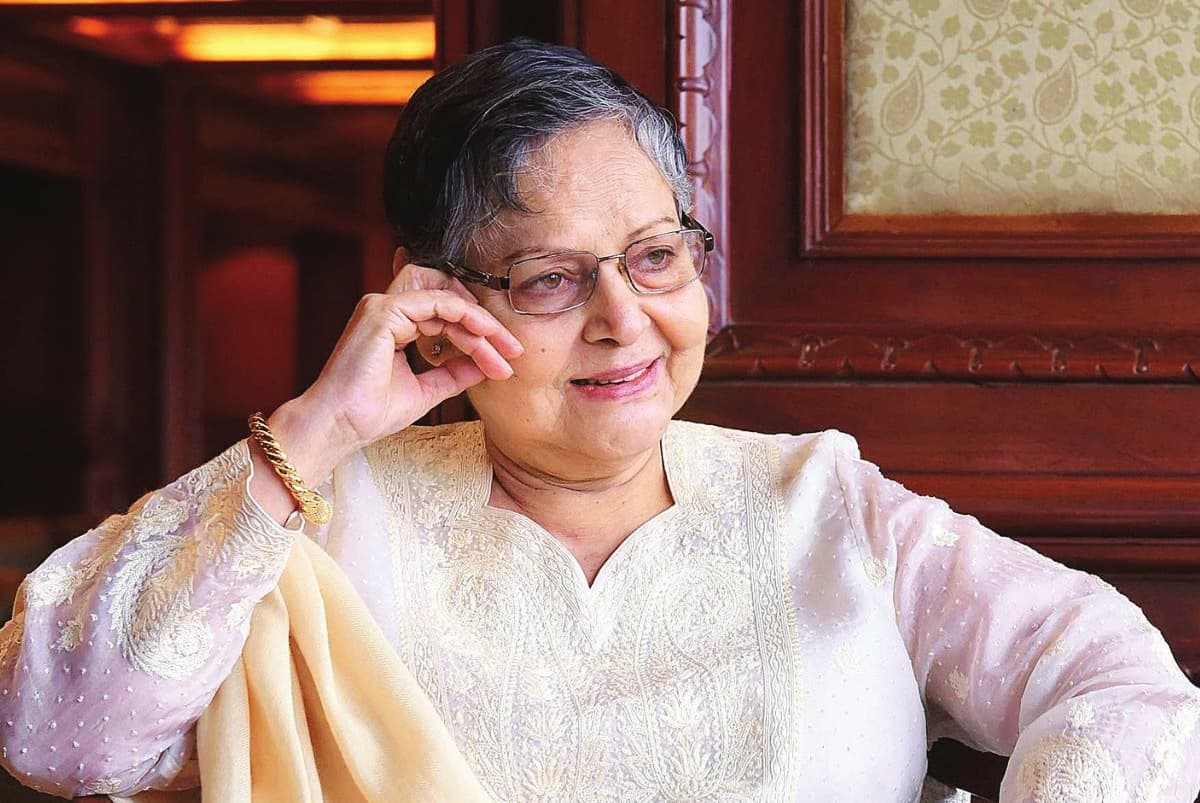
Some stars shine through glamour, while a rare few illuminate the screen with grace, sensitivity and timeless elegance. Rakhee Gulzar belongs to that distinguished league.
Rakhee Gulzar was born on 15 August 1947, the very day India awoke to freedom. It seems fitting that an actress who would come to symbolise grace, dignity and emotional strength shared her birthday with an independent nation finding its own identity.
Rakhee occupied a unique space in Indian cinema. She was neither the flamboyant star of gossip magazines nor the aloof performer associated exclusively with parallel cinema. Instead, she effortlessly combined glamour with sensitivity, beauty with substance, and vulnerability with quiet resilience. Her luminous eyes, gentle smile, expressive voice and understated presence gave her a rare ability to convey deep emotions without theatrical excess.
From Ranaghat to Bombay
Born Rakhee Majumdar in Ranaghat, West Bengal, she entered films at the age of twenty with the Bengali movie Badhu Baran. Soon afterwards she moved to Mumbai and made her Hindi film debut opposite Dharmendra in Jeevan Mrityu (1970). The film was a success, and Rakhee announced her arrival with remarkable confidence. Audiences noticed not only her beauty but the sincerity and emotional depth she brought to her performances. By 1972 she had become one of the industry's busiest and most sought-after actresses.
“Whether portraying heartbreak in Daag or selfless sacrifice in Tapasya, she brought emotional authenticity to every role.”
The 1970s were a transformative period for Hindi cinema. Romantic dramas, family sagas, socially conscious films and the emerging "angry young man" genre coexisted on screen. Rakhee adapted effortlessly. In Daag she portrayed tenderness and heartbreak with striking authenticity. In Tapasya she played a woman who sacrifices her personal happiness for family responsibilities — a performance that earned her the Filmfare Award for Best Actress.
Perhaps her most memorable role came in Kabhi Kabhie as Pooja, a woman haunted by memories of a past love while navigating the realities of marriage and adulthood. Few actresses could portray longing and remembrance as beautifully as Rakhee. She communicated emotions not through dramatic outbursts but through silence, glances and unspoken feelings.
A masterclass in reinvention
The years that followed brought a string of successful films, including Trishna, Kaala Patthar, Muqaddar Ka Sikandar, Kasme Vaade, Trishul, Blackmail and Jurmana. Yet one of the most remarkable aspects of Rakhee's career was her graceful transition from leading lady to character roles. Hindi cinema has often been unkind to actresses as they age, but Rakhee infused dignity and substance into every role she accepted. In Shakti she played Amitabh Bachchan's mother despite belonging to the same generation of stars. Later, in films such as Ram Lakhan, Baazigar, Karan Arjun and Border, she elevated the mother figure beyond stereotype. Her screen mothers were loving yet strong, wounded yet resilient, prayerful yet fiercely protective.
“The iconic line "Mere Karan Arjun Aayenge" became immortal because Rakhee delivered it not merely as melodrama, but as a powerful blend of faith, grief and defiance.”
The music
Rakhee was also fortunate to be associated with some of Hindi cinema's finest music. Few actresses can claim to have starred in multiple films where virtually every song became popular. Rakhee achieved this rare distinction with Sharmilee (1971, S. D. Burman), Daag (1973, Laxmikant-Pyarelal), Kabhi Kabhie (1976, Khayyam) and Doosra Aadmi (1977, Rajesh Roshan).
Among them, Sharmilee stands out as one of the great musical achievements of Hindi cinema. Songs such as Khilte Hain Gul Yahan, Megha Chhaye Aadhi Raat, Reshmi Ujala Hai, O Meri Sharmilee and Kaise Kahen Hum remain favourites among lovers of classic Hindi film music even after more than five decades. Similarly, Daag produced a treasure trove of melodies, including Mere Dil Mein Aaj Kya Hai, Jab Bhi Jee Chahe, Hawa Chale Kaise and Hum Aur Tum, Tum Aur Hum.
Another noteworthy musical gem from 1971 was Lal Patthar. The film featured a complex storyline and an equally demanding role for Rakhee opposite Raj Kumar, which she handled with remarkable ease. The soundtrack, composed by Shankar-Jaikishan, included three exquisite raag-based songs: Geet Gaata Hoon Main (Raag Kirwani), Unke Khayal Aaye To (Raag Gara) and Re Man Sur Mein Ga (Raag Yaman Kalyan).
Gulzar, and the knots that never loosen
Rakhee's personal life was as layered and emotionally intricate as many of the characters she portrayed on screen. She married Bengali filmmaker Ajay Biswas early in her career, but the marriage ended after two years. Later she met poet, lyricist and filmmaker Gulzar. It is said that he was captivated by her from their very first meeting. The two married and had a daughter, Meghna.
Over time, differences emerged. Rakhee wished to continue acting, while Gulzar preferred that she step away from films. Their relationship grew strained, and although they eventually lived apart, neither chose formal separation nor pursued another public relationship. Their bond remained complex, enduring and deeply intertwined.
“"Sheher ki bijli gayi, band kamre mein bahut der talak kuchh bhi dikhai na diya; tum gayi thin jis din, us roz bhi aisa hi hua tha." — Gulzar”
Many admirers see traces of Rakhee in Gulzar's poetry. And then there is his celebrated poem Girhen (Knots), where he reflects on relationships that, once tied and frayed, never entirely lose their visible knots.
A quiet flame
Rakhee's last Hindi film appearance came in Classmates (2009), followed by two Bengali films. Since then she has largely withdrawn from public life, spending her time at her farmhouse on the outskirts of Mumbai. Her achievements remain impressive: four Filmfare Awards and twelve nominations, along with a body of work that has stood the test of time. Yet statistics alone cannot explain her enduring appeal.
Rakhee's persona was built on grace. She carried within her the refinement of Bengal and the emotional accessibility of mainstream Hindi cinema. There was never anything forced about her performances. Whether lowering her gaze, smiling through tears, or communicating pain through silence, she possessed a natural elegance that felt effortless. She could appear fragile, but never weak. Her beauty was not dazzling in an aggressive way; it was poetic. In an industry often dominated by spectacle and excess, Rakhee Gulzar demonstrated that gentleness can be powerful, restraint can be magnetic, and grace can be unforgettable.
Even today, when one thinks of Rakhee Gulzar, it is not merely a film star who comes to mind. One remembers a presence — a quiet flame that illuminated the screen without ever needing to burn too brightly.