Punjab: The Golden Spirit
A cultural journey through the Land of Five Rivers, from the Golden Temple and Jallianwala Bagh to Chandigarh's planned modernism, lush fields, and hearty Punjabi cuisine.
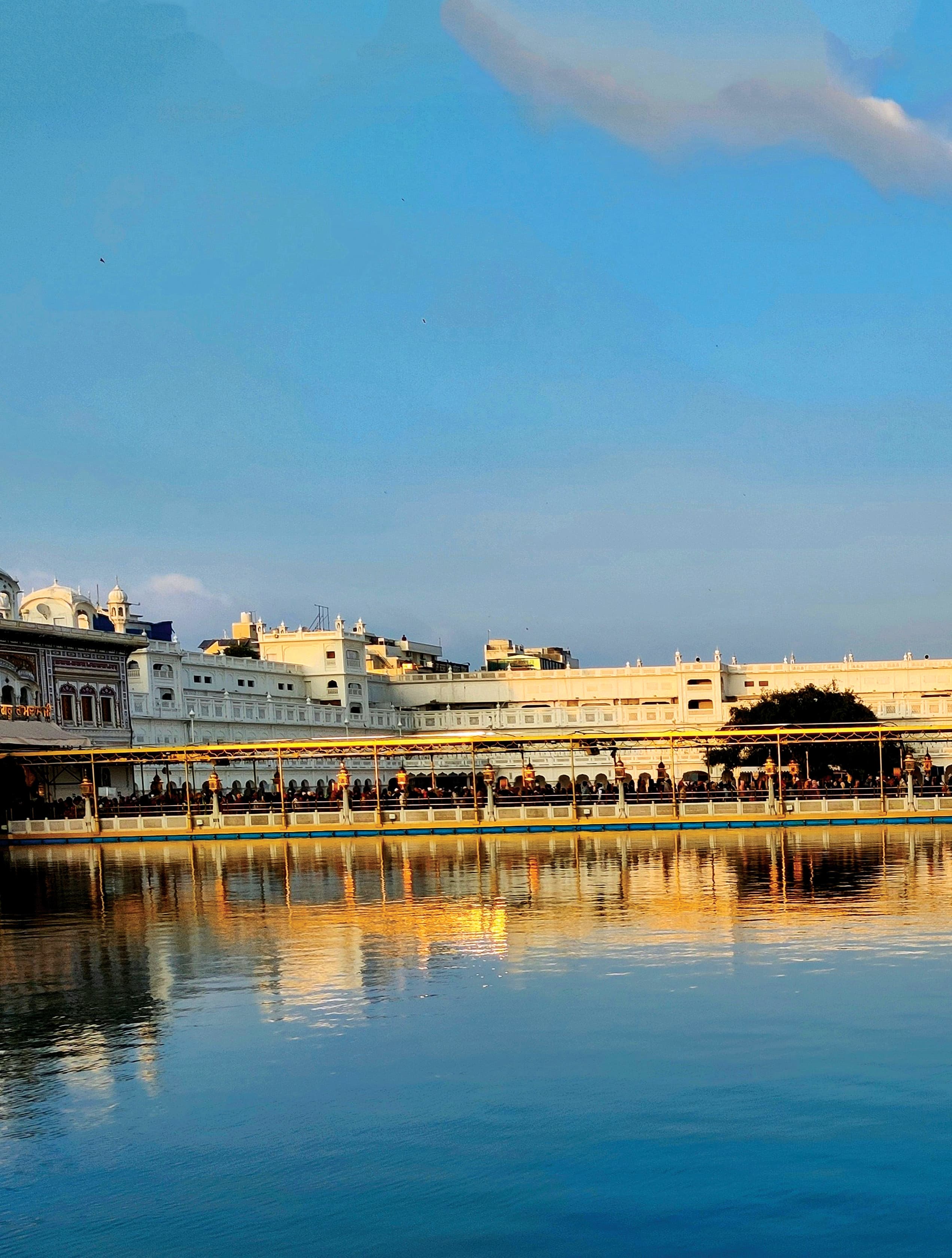
Come to a potpourri of religion, hearty cuisine, historical heritage, and rustic charm. Punjab, which literally means the "Land of Five Rivers," has always played a significant role in India's long history. It stood as the gateway to India for marauders entering through the Hindu Kush mountains, especially those who came via the Khyber Pass. From Alexander of Macedon to Ahmed Shah Abdali, all invaders fought against Gandhaar, which had its capital in Takshashila (Taxila), before they could enter the Gangetic plains. Punjab bore the brunt of the attacks before the rest of the country did so. This exposure to diverse cultures from the Middle East made it one of India's most vibrant and culturally rich states.
Spiritual and Religious Heritage Draws Every Kind of Tourist
Tourists flock to Punjab for both religious and spiritual experiences. The iconic Golden Temple, also known as Harmandir Sahib, is Sikhism's holiest shrine. However, not just Sikhs, but Hindus also consider it a religious duty to take a holy dip in the sacred Amrit Sarovar. It sits like a jewel in the heart of Amritsar. This magnificent structure was once covered with gold leaves, which have been plundered long ago, and is now painted gold. Millions of tourists visit every year.
A highlight of the visit is taking part in the langar (community kitchen). Thousands of people are served free meals daily. This practice was initiated while the Sikhs were defending the citizens against the waning Mughal empire, to ensure that no one sleeps hungry any day. Each visitor is served exactly the same quantity of food, including the kadha prashad. The principle of equality before the Almighty is reinforced by it, while people are reminded of the value of selfless service.
Urban Sophistication at Its Best
While Amritsar evolved as an urban hub over the centuries, Punjab offers you urban sophistication in the shape of Chandigarh, the shared capital of Punjab and Haryana. Designed by Le Corbusier, Chandigarh is one of the earliest examples of a planned city post-Independence. Attractions like the Rose Garden, the Rock Garden designed by Nek Chand, the UNESCO World Heritage-listed Capitol Complex, and Sukhna Lake keep the tourists arriving in hordes. The city is unlike Punjab's otherwise rustic landscape, and is home to several institutions of higher education. Ludhiana is the hub of the textile industry, including hosiery and woolens, in the northern part of India. Patiala is famous for its royal heritage, palaces, and traditional attire like the Patiala salwar.
“Attractions like the Rose Garden, the Rock Garden designed by Nek Chand, the UNESCO World Heritage-listed Capitol Complex, and Sukhna Lake keep the tourists arriving in hordes.”
Grim Reminder of Tragedy
The Jallianwala Bagh within Amritsar serves to remind people of the sacrifices of the martyrs who were massacred in 1919, and how India's freedom was won at great cost. Then there is the Wagah border, where numerous people gather to witness the retreat ceremony daily. While this spirited military display between India and Pakistan is somewhat dramatic, not just patriotic, it underscores the tragedy of the Partition of India, when many in the Punjab and Bengal lost their homes and loved ones.
Revel in the Lush Fields
The Green Revolution made Punjab the granary of India as its fertile plains produced bumper crops year after year. Their earthy, filling cuisine is delicious, and is matched only by the warmth of their hospitality and energetic way of living. You can get an authentic glimpse into Punjabi traditional life in any of the villages across Punjab. Experience tractor rides, participate in their folk dances like Bhangra and Gidda. Round off the experience with ghee-laden makkai di roti (bread made of corn flour) eaten with sarson da saag (a dish made with mustard leaves and other greens), and wash it down with lassi served in tall glasses.
Food is a highlight of Punjab tourism. The cuisine reflects the region's agricultural abundance and love for hearty eating. Amritsar competes with Indore and Kolkata for the sheer variety and quality of its street food, like the various kinds of parathas, kulcha, and chole-bhature.
Superb Connectivity Aids Punjab Tourism
Regardless of which part of the country you are in, or have just reached India, reaching Punjab will not pose any challenges. The state is well-linked by air, rail, and road networks. By air, you can reach Amritsar, landing at Sri Guru Ram Dass Jee International Airport (ATQ), from where both domestic and international flights arrive and depart. To reach Chandigarh from any of the major Indian cities, you will land at Shaheed Bhagat Singh International Airport (IXC), Mohali. Other airports which cater to domestic flights are Adampur Airport (AIP) near Jalandhar; Bathinda Airport (BUP) located on the outskirts of Bathinda; Pathankot Airport (IXP); and Ludhiana Airport (LUH) on GT Road in Sahnewal (Ludhiana).
Land Surface Connectivity Options
Punjab is equally well connected by surface transport with most parts of India. Border districts like Ferozepur, as well as the main cities like Chandigarh, Amritsar, Patiala, Jalandhar, and Ludhiana, are connected by various train routes. Amritsar Mail, Punjab Mail, Golden Temple Mail, and express trains like the Akal Takht Express, Vande Bharat Express, Amrit Bharat Express, and Sachkhand Express ensure that you reach various parts of Punjab swiftly by train. On the other hand, if you prefer to travel by road, take advantage of Punjab's superbly kept network of national and state highways crisscrossing the state. Alternatively, you can utilize the services of state-run and private buses which operate regularly, and offer both budget and luxury travel choices.
Visit Punjab to Savor the Joy of Living
Try visiting Punjab in winter and spring to see the state at its best. If your timing is right, you might even get to participate in the festivals of Lohri and/or Baisakhi. Visiting Punjab is an experience that teaches you much, especially about living life to the fullest, celebrating with zest, and overcoming obstacles and tragedies heroically. You might even want to take home some of their phulkari outfits, typical highly decorated Punjabi jutis (footwear), blankets, pieces reflecting artistic woodwork, and folk toys.
Takeaway: Visiting Punjab is not simply about sightseeing, or performing a pilgrimage to places like Anandpur Sahib or the Golden Temple. It is about relishing a delightful, earthy cuisine, becoming acquainted with a vibrant way of life, and soothing the eyes with the lush greenery.