Madan Mohan: Nostalgic Numbers
No composer in Hindi cinema captured yearning, loneliness, and restrained heartbreak with the sophistication of Madan Mohan. A look at the life and music of the master of the film ghazal.
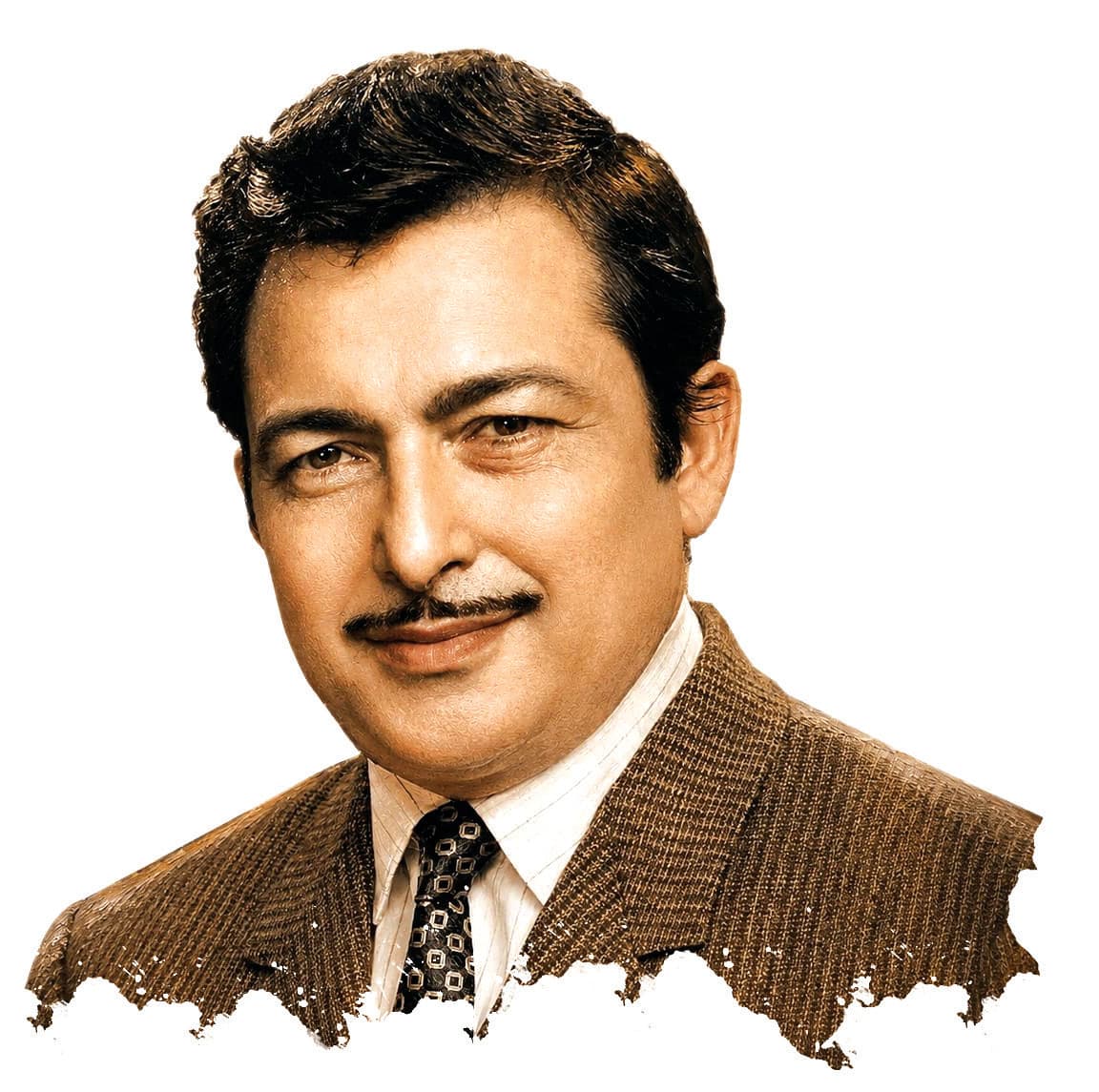
June is the anniversary month of stalwarts of music. RD Burman, Vasant Desai, Sajjad Hussain, Hemant Kumar, Kalyanji (of the K-A duo) and Madan Mohan. I decided to dig into the life and music of Madan Mohan for this issue.
He was born in Baghdad and his father worked with the Iraqi police administration. Madan completed his education in Lahore, Bombay and Dehradun. He briefly joined the army and later worked at All India Radio in Lucknow. It was the musical traditions of Lucknow that pulled him into the world of music.
He began his tryst with music from singing ghazals. He also worked as assistant to SD Burman for the film Do Bhai (remember "Mera Sundar Sapna Beet Gaya" by Geeta Dutt). Then came his first break as the music composer with the 1950 film Aankhen. Unlike most composers, he had the complete film to him rather than an odd song. Mori Atariya Pe Kaaga Bole by Meena Kapoor is still remembered. His next film was Ada (1951), and the song Pritam Meri Duniya Mein Do Din To Rahe Hote showed his mastery over melancholic numbers. Then started a journey of 25 years of enriching music, with Mausam (1975) as his last film.
No composer in Hindi cinema captured yearning, loneliness, or restrained heartbreak with the sophistication of Madan Mohan. He preferred subtle tonal movements, pauses, and understated instrumentation where the emotional effect came from restraint. Lag Ja Gale (Wo Kaun Thi), Hai Isi Mein Pyaar Ki Aabroo (Anpadh), Woh Bhooli Dastaan (Sanjog), and Phir Wohi Shaam Wohi Gham (Jahan Ara) reveal his ability to create emotional depth through minimal melodic gestures.
“Madan Mohan transformed the film-ghazal genre into an uplifting experience. He introduced delicacy, conversational phrasing, and classical nuance in ghazal composition. While Rasm-e-Ulfat Ko Nibhayen (Dil Ki Rahen) moved almost like a sigh, Woh Chup Rahen To (Jahan Ara) used silence itself as musical texture.”
Madan Mohan transformed the film-ghazal genre into an uplifting experience. He introduced delicacy, conversational phrasing, and classical nuance in ghazal composition. While Rasm-e-Ulfat Ko Nibhayen (Dil Ki Rahen) moved almost like a sigh, Woh Chup Rahen To (Jahan Ara) used silence itself as musical texture. Hamare Baad Ab Mehfil Mein (Baaghi) proved that he was able to conjure so many melodies within the same song.
His grounding in classical music was formidable. He integrated ragas seamlessly into cinematic situations while remaining accessible to ordinary listeners. His compositions exhibit the balance between classical sophistication and emotional accessibility, which was one of his greatest achievements.
An interesting experimentation unique to Madan Mohan was composing different tunes for the antaras in the same song. Ek Haseen Shaam Ko (Dulhan Ek Raat Ki), Betaab Dil Ki Tamanna (Hanste Zakhm), and Chand Madham Hai (Railway Platform) are examples.
One of the tragedies of Madan Mohan's career was that his refined musical sensibility did not always align with the commercial trends of the time. Madan Mohan's greatness lies not merely in melody but in emotional intelligence. He understood silence, poetic cadence, emotional hesitation, musical understatement and the psychology of longing. His music never shouted for attention. It revealed itself gradually, deepening with repeated listening. That is why his music survives not merely as nostalgia, but as art.
Manoj K Arora is a former civil servant.