Hair Care: A Complete Guide to Healthy, Beautiful Hair
There is no single secret. Healthy hair is the result of steady care, mindful habits and — just as importantly — avoiding damage.
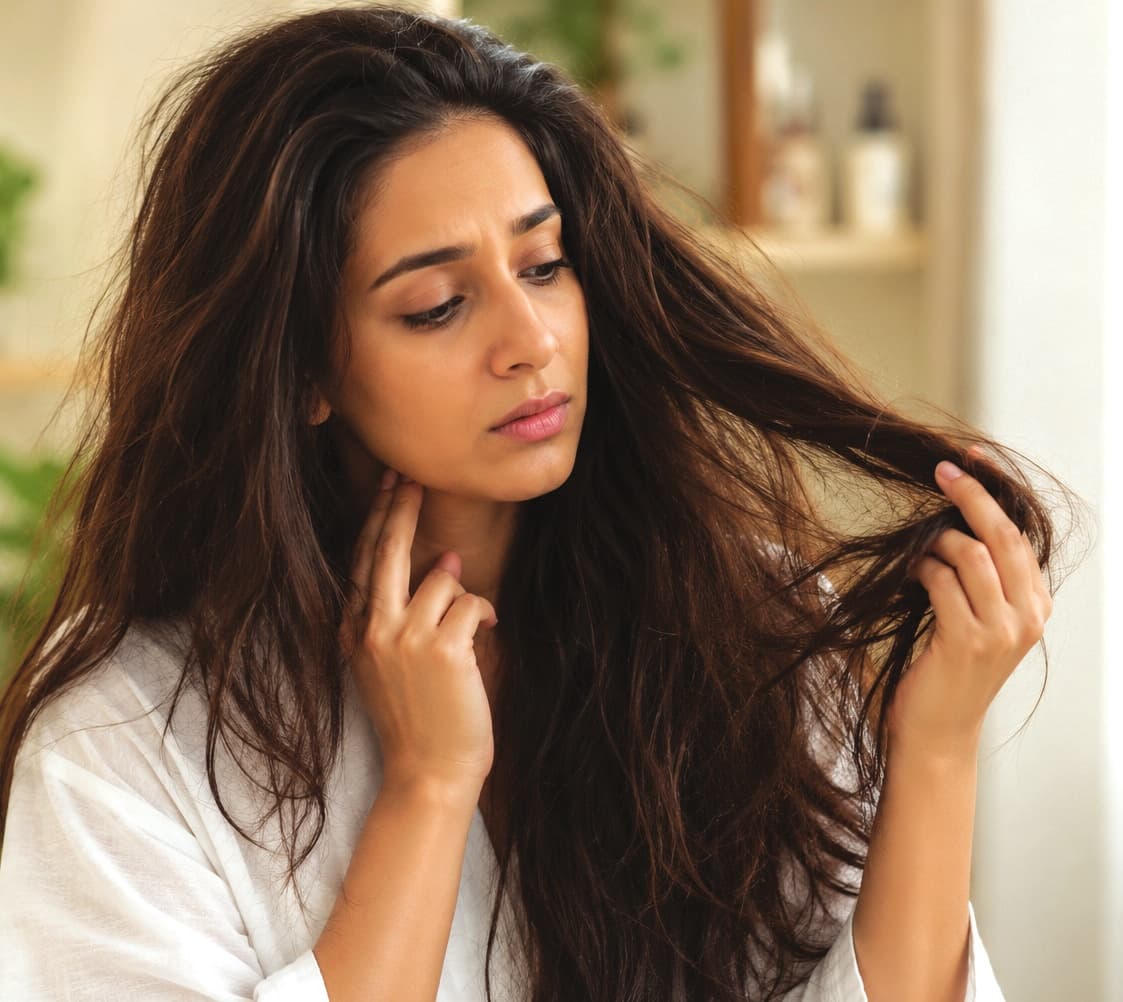
Beautiful hair has no secret formula — it is built through consistent care. Drawing on personal experience and time-tested natural remedies, a practical guide to nourishing hair, preventing damage and maintaining healthy, lustrous locks in every season.
Walking beside my mother through Select Citywalk Mall in New Delhi, I often notice the familiar glances she attracts. It has become so routine for us that I barely register it anymore. Being Shahnaz Husain's daughter naturally comes with attention, but even if she were not a well-known name, my mother would still turn heads.
Her rich auburn hair has always been a defining part of her personality — distinctive, striking and endlessly admired. I have been fortunate to inherit a good head of hair as well, though mine comes from my father's side: thick, black, wavy and full of natural bounce. Our hair could not be more different, yet we share one important trait — we have both cared for it consistently over time.
Over the years, many women have asked about the so-called "secret" behind beautiful hair. The truth is, there is no single secret. Healthy hair is the result of steady care, mindful habits and, just as importantly, avoiding damage.
“Healthy hair is as much about what you avoid as what you do.”
I have almost never coloured my hair. I did try hair dye once, when I was in Canada. The strong chemical smell alone was overwhelming — it felt almost toxic. When the process was over, I initially felt relieved. But within days my hair turned dry and brittle, with noticeable breakage at the ends. That experience stayed with me. I have never repeated it. Healthy hair, I realised, is closely linked to overall well-being. Every strand reflects diet, lifestyle, environment and the products we use. Pollution, sun exposure and chemical treatments all leave their mark. Protecting hair is therefore not a luxury — it is essential care.
Caring for dry hair
Dry hair is one of the most common concerns, and often one of the most frustrating. It tends to behave unpredictably — frizzy, rough, full of flyaways and difficult to manage. At the core of dry hair is one issue: lack of moisture. Either the scalp is not producing enough natural oil, or repeated exposure to heat, chemicals, pollution and excessive washing has stripped it away. When hair loses moisture it becomes dull, tangles easily and is more prone to breakage. The instinct is often to control it with more products and styling, but this usually worsens the problem. The better approach is simple: shift from control to care.
Gentle cleansing. Start with a mild, herbal shampoo that cleanses without stripping natural oils. Focus shampoo on the scalp rather than the length of the hair — the scalp is where oil and buildup accumulate, and that is where cleansing is needed most. Always follow with a conditioner. It restores softness, improves manageability and reduces the friction that leads to breakage.
Hot oil therapy. One of the most effective treatments for dry hair is a warm oil massage. Oils such as coconut or olive oil work well. Before oiling, gently steam your scalp using a warm towel or steam bowl; this opens pores and improves absorption. Warm the oil slightly and massage it gently into the scalp using fingertips — there is no need for heavy pressure or excess oil. Leave it on for about 20 minutes before washing. For very dry hair, this can become a weekly ritual.
Traditional remedies. Time-tested ingredients like amla, shikakai and reetha remain valuable because they cleanse gently while nourishing the scalp. They help restore natural shine without harsh chemical effects.
Reduce heat and chemicals. Dry hair is fragile, so frequent heat styling, colouring and chemical treatments should be minimised. Occasional use is fine, but overuse leads to long-term damage.
Simple nourishing masks. A mixture of vegetable oil and honey can be applied as a quick mask. Leave it for 10–20 minutes before washing. Honey helps retain moisture, while oil restores softness.
Gentle handling. Dry hair breaks easily because it lacks elasticity. Use a wide-tooth comb, avoid harsh towel rubbing, do not tug at knots, and pat dry instead of rubbing. Conditioning is essential, and leave-in treatments can help when extra hydration is needed.
Shampooing the right way
Shampooing is often done mechanically, but the method matters more than most people realise. Begin by wetting the hair thoroughly with lukewarm water. Avoid hot water, as it strips natural oils and increases dryness. Take a small amount of shampoo and apply it mainly to the scalp. Use your fingertips to massage gently in circular motions — this helps remove oil, sweat and buildup while improving blood circulation.
There is no need to scrub the length of the hair; as you rinse, the shampoo naturally cleans the strands as it flows down. Rinsing is crucial — any leftover residue can attract dirt and make hair appear dull or greasy. For most people, shampooing two to three times a week is sufficient. Overwashing disturbs the natural balance of the scalp and can lead to dryness and irritation. The goal of shampooing is not just cleanliness; it is maintaining a healthy scalp environment that supports strong, balanced hair.
Monsoon and an active lifestyle
Monsoon brings relief from heat but introduces humidity, which can make hair frizzy and unmanageable. Damp weather also increases the risk of dandruff and scalp infections. During this season, scalp hygiene becomes especially important. Wash your hair regularly and ensure it dries completely before tying it up — damp hair, when tied tightly, can irritate the scalp and weaken hair roots. Whenever possible, allow hair to air dry in a well-ventilated space.
Exercise is beneficial for overall health, but sweating can affect the scalp. Sweat mixed with oil and dust can lead to greasiness and irritation if not managed properly. A few simple habits help: keep hair loosely tied or braided during workouts, avoid tight hairstyles that strain the roots, use soft scrunchies instead of tight elastics, and wash hair only when needed rather than after every workout. Frequent shampooing after exercise is not necessary and may strip the scalp of essential oils.
Natural hair treatments
| Ingredient | What it does |
|---|---|
| Aloe vera | Soothes the scalp, removes excess oil and improves moisture balance. Apply directly or mix with honey or egg. |
| Orange | Rich in Vitamin C and antioxidants. Peel paste or juice mixtures refresh the scalp and add shine. |
| Flaxseed (alsi) | Contains fatty acids that reduce dryness. Soaked flaxseed water can be applied as a natural gel. |
| Avocado and banana | A nourishing mask rich in vitamins and natural oils. Applied for about 30 minutes, it softens and revitalises dry or damaged hair. |
Healthy hair is not the result of occasional treatments but of daily care. It reflects consistency, patience and respect for what nature has given us. Whether dealing with dryness, humidity or styling damage, the principles remain the same: cleanse gently, nourish regularly and avoid unnecessary stress on the hair.
Beautiful hair is never achieved overnight. It is built slowly, through small habits practised every day — and over time, those habits create hair that is not just attractive, but genuinely healthy.